Same day gardeners in Bow what to know about access
Posted on 04/11/2026
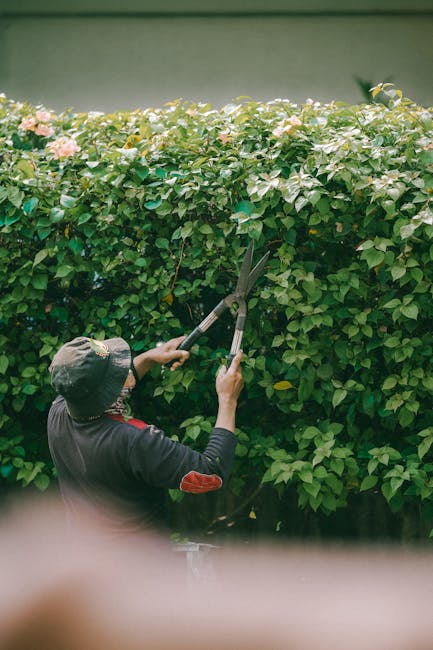
Need help fast, but not sure whether your garden is actually ready for a same-day visit? You are not alone. With Same day gardeners in Bow what to know about access, the big question is often surprisingly simple: can the team get in, move safely, and start work without delays? That one detail can decide whether a tidy-up, lawn cut, hedge trim, or more involved garden task gets completed today or ends up rolling into tomorrow.
In Bow, access matters because many gardens are tucked behind terraces, shared passages, narrow side returns, locked gates, basement steps, or awkward storage areas. If you are booking at short notice, a few minutes of planning can save a lot of back-and-forth. This guide walks you through what access really means, what gardeners need from you, the common snags to watch for, and how to make a same-day booking feel calm rather than chaotic. Let's make the whole thing easier, shall we?
Why Same day gardeners in Bow what to know about access Matters
Access sounds boring until it goes wrong. Then it becomes the whole job. If a gardener cannot reach the back gate, cannot find the right entrance, or has no space to carry tools through safely, even a straightforward visit can stall. On a same-day job, that delay is more noticeable because the schedule is tighter and the team is usually working around weather, daylight, and other bookings.
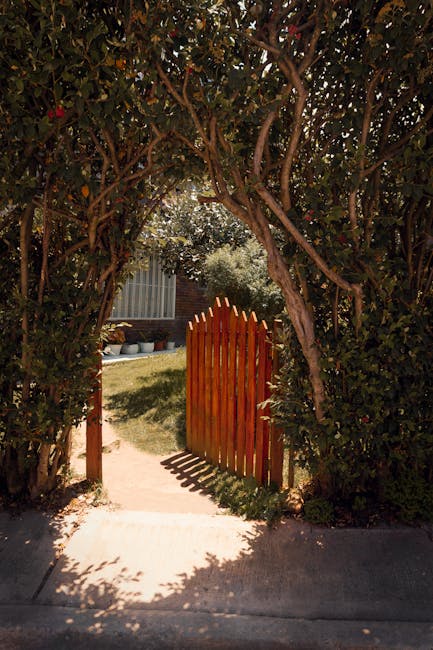
Good access is not just about convenience. It affects what can be done, how quickly it can start, and whether the work is completed neatly. Think of a garden in Bow where the only route is through a narrow side passage with a stubborn latch, wet paving, and a compost bin partly blocking the way. A skilled gardener can work with that, but only if they know about it in advance. Truth be told, this is often the difference between a smooth visit and a frustrating one.
There is also a safety angle. Garden work involves carrying equipment, moving waste bags, using sharp tools, and sometimes handling slippery surfaces or uneven ground. If access is poor, the risk of trips, knocks, or accidental plant damage goes up. That is why teams usually want a clear picture of gates, paths, surface condition, pets, children, and any areas that are off-limits.
If your request involves broader outdoor work rather than a quick tidy-up, it can help to look at the wider service fit too. Pages such as gardening services in Bow and garden maintenance in Bow are useful starting points when you are deciding how much of the garden can realistically be tackled the same day.
How Same day gardeners in Bow what to know about access Works
In practical terms, same-day access usually means the gardener needs enough information before arrival to get in, work efficiently, and leave the site secure. That starts with the basics: where to enter, whether someone will be home, and whether tools or waste need to pass through shared spaces.
The process is usually simple, although a bit of detail helps a lot:
- You describe the access route. Front gate, side passage, rear alley, shared courtyard, basement steps, or rear service road-whatever applies.
- You flag any barriers. Locked gates, dogs, fragile ornaments, loose paving, parked vehicles, or storage items in the way.
- You confirm supervision or entry arrangements. Someone may need to be in, or you may need to leave a key location or code if that is part of the arrangement.
- The gardener plans the visit around the space available. That may mean bringing lighter kit, allowing extra time for carrying waste, or adjusting the order of tasks.
- Work begins with a quick safety check. Good teams will look at the route, gate stability, surface conditions, and any immediate hazards before diving in.
What counts as "good enough" access? Usually, a route that is open, safe, and wide enough for one person carrying tools or waste. If a mower, hedge trimmer, or bags of cuttings need to pass through, the route becomes even more important. A tiny front gap that works for a person on foot may not work for a wheelbarrow or larger equipment. Obvious, yes, but easy to overlook when you are in a rush.
For larger jobs, the access conversation often becomes part of the estimate. That is where a page like pricing and quotes can be handy, because access issues can influence how long a visit takes and what the final scope looks like. If the work involves trees, bulky cuttings, or awkward clearance, the team may also need to consider specialist support such as tree surgery in Bow.
Key Benefits and Practical Advantages
When access is sorted before the gardener arrives, the benefits show up almost immediately. The visit feels less rushed, the work gets underway faster, and the garden ends up in better shape. That may sound simple, but in a time-sensitive booking, simple is exactly what you want.
- Faster start times. The gardener is not standing around trying to work out which gate opens which way.
- Less disruption. Neighbours, pets, and household routines are less likely to be interrupted.
- Better use of same-day capacity. More of the visit goes into actual garden work rather than problem-solving.
- Safer movement around the property. Clear access reduces the chance of slips, knocks, and accidental damage.
- More accurate job planning. The team can bring the right tools and judge what can be completed in the time available.
There is another upside that gets missed often: a well-prepared access route makes the final result look neater. When cuttings can be carried out cleanly, when tools are not being squeezed through a tight mess of clutter, and when the route is clear, everything tends to feel more professional. You notice it in the little things. Less mud dragged through a passage. Fewer scuffed pots. Less noise, too.
For jobs focused on tidy external spaces, access tends to be especially important. If your booking includes a path, patio, or deck, you might also find the dedicated service pages useful: patio cleaning in Bow and decking services in Bow. And if the goal is simply to bring the whole outside space back under control, lawn care in Bow and lawn mowing in Bow can be part of the same conversation.
Who This Is For and When It Makes Sense
This matters for more people than you might think. Same-day garden visits are often booked by homeowners with a sudden patch of free time, landlords preparing a handover, families planning a gathering, or anyone who has looked out of the window and thought, "Right, that needs sorting today."
It is particularly useful if you:
- have a garden hidden behind a terrace or shared access path;
- need a quick response after bad weather, overgrowth, or a missed maintenance cycle;
- share the property with tenants, housemates, or neighbours who need advance notice;
- have pets, children, or stored items that need to be managed during the visit;
- want to avoid a service visit being cut short because the route is not workable.
It also makes sense if you are still deciding between a small tidy-up and a broader outdoor improvement. A same-day gardener may only be there to get you back to a decent baseline, while a follow-up plan could involve more detailed work later. If that sounds familiar, the article on embarking on a garden makeover: the first move gives a useful way to think about next steps without overcomplicating things.
In Bow, this can be especially relevant where garden layouts are compact and access is not quite standard. A narrow rear lane, a basement courtyard, or a long shared passage can all be workable, but they change how the job is handled. Same-day gardeners are used to that. They just need the picture early.
Step-by-Step Guidance
If you want the smoothest possible same-day visit, take five minutes and work through the access basics before the gardener arrives. It really does help.
- Identify every route into the garden. Mention front access, side return, rear entrance, communal passage, and any internal route if the garden is reached through the house.
- Check gates and locks. Are they easy to open? Do they stick? Do they need a key, code, or someone to let the team through?
- Clear the route. Move bins, bikes, toys, planters, hose reels, sacks, and anything else that could slow movement.
- Look for hazards. Slippery paving, broken slabs, overhanging branches, low lighting, loose gravel, or steps can all matter.
- Protect fragile items. If you have decorative pots, ornaments, or newly planted borders, point them out.
- Plan for pets and children. Even a friendly dog can make a quick job complicated if it keeps wanting to "help."
- Confirm waste removal expectations. Ask whether green waste will be bagged, left on site, or taken away as part of the visit.
- Share any timing quirks. Building access, permit constraints, school run timings, or neighbour-only passage windows can matter more than people expect.
A small but helpful habit: walk the route as if you were carrying something awkward and slightly muddy. If you would have to twist sideways at any point, the gardener probably will too. That tiny mental check can save a lot of grief.
If the garden has structural features like fencing or timber edging near the route, it is worth checking those too. Access can be made worse by a loose panel or a half-broken latch, and that is the sort of thing that turns a five-minute job into a fuss. For related support, see fencing in Bow if barriers or boundary repairs are part of what is getting in the way.
Expert Tips for Better Results
A few practical habits make same-day visits much easier. These are the sort of things you only learn after watching a lot of jobs go smoothly, and a few go sideways.
- Send photos if you can. A couple of clear images of the gate, passage, and main work area often tell the story faster than a long message.
- Be honest about narrow spots. If a wheelbarrow will not fit, say so. No drama. It just changes the plan.
- Keep the route dry where possible. A wet side return can be manageable, but it slows movement and raises slip risk.
- Tell the gardener about hidden access points. Some homes have a route through a garage, utility area, or alley that is not obvious from the street.
- Bundle the small issues. If you already know the gate sticks and the latch is dodgy, mention both. One vague warning is less useful than two clear ones.
Another sensible tip is to think about what the gardener will need to carry back out. A route that feels fine on the way in can become less fine once bags of clippings, soil, or cut branches are involved. That is especially true if the visit includes hedge trimming in Bow, where waste volume can grow quickly. Hedges seem innocent until the trimmings pile up. Then suddenly you have a green mountain on your hands.
And one more thing: if your garden design includes dense planting, shade, or limited visibility, a cleaner route can help the gardener work more confidently. Ideas from evergreen climbers, ground cover plants, and privacy hedges can shape a garden beautifully, but they also need routes that remain practical for maintenance. Beauty and access should sit together, not fight each other.
Common Mistakes to Avoid
Most access problems are avoidable. The issue is usually not bad intent; it is just assuming everyone can "work it out on the day." That approach tends to wobble under pressure.
- Forgetting about side access width. A person can fit where equipment cannot.
- Leaving gates locked without saying so. It sounds obvious, but this happens a lot.
- Ignoring clutter in the access path. Old pots, bikes, and storage boxes add up fast.
- Not warning about uneven ground. One loose slab can matter more than the whole path.
- Assuming pets are fine with strangers. Friendly pets are great. Free-roaming pets during a same-day visit are less great.
- Underestimating the time needed to move waste. Carrying green waste through a narrow passage is slower than it looks.
One common mistake is booking a same-day visit for a garden that really needs a bit more prep first. That does not mean the booking is wrong. It just means the scope may need to be smaller, or the route needs to be cleared before the work begins. If you are unsure, a focused visit for urgent tasks is often better than trying to squeeze in everything.
There is also a design mistake worth mentioning: overstuffing the garden with features that look lovely but leave no working room. Raised planters, ornaments, seating, and screening all have their place, but a gardener still needs a sensible route. If you are planning improvements, inspiration from garden seating layouts and family-friendly garden design can help you strike that balance.
Tools, Resources and Recommendations
You do not need specialist equipment to prepare access, but a few ordinary household items can make a big difference. Think practical, not fancy.
- A torch or mobile light for dim passageways and early visits.
- Gloves if you are moving thorny cuttings, rough sacks, or awkward debris.
- Bins or tubs for gathering loose toys, tools, and lightweight clutter.
- Bin bags or garden sacks if you want to keep waste separated.
- Door stops or gate wedges only if they are safe and appropriate for your property setup.
- A quick phone photo set showing the route, gate, and work area.
For wider garden upkeep, a few reading points from the site are genuinely helpful. If your space is tight and you want ideas that are easy to maintain, low-maintenance garden ideas can help you simplify future visits. If you want to reduce repeated weeding around access paths, weed-resistant garden tips are worth a look. And if your garden gets battered by weather, weather-proofing advice can keep access routes usable for longer.
When the job is more about keeping things under control on an ongoing basis, lawn care in Bow and garden maintenance in Bow are the kind of services that can reduce last-minute pressure. That matters more than it sounds. A garden that is regularly maintained is simply easier to access in a hurry.
Law, Compliance, Standards, and Best Practice
This topic is mostly about practical best practice, but a few standards of care matter. Garden work involves moving through private property, handling tools, and protecting people and surfaces. Good practice therefore focuses on clear permission, safe movement, and sensible communication.
In a UK residential setting, the basics are straightforward:
- Permission to enter should be clear before anyone steps onto the property.
- Safe access routes should be identified if there are obvious hazards such as steps, broken paving, or slippery surfaces.
- Household awareness matters when pets, children, or vulnerable people are nearby.
- Waste handling expectations should be agreed in advance so no one is left guessing.
- Security of the property should be maintained when the visit ends.
It is also sensible to think in terms of good contractor housekeeping: being clear on boundaries, keeping entry and exit secure, and leaving paths as tidy as reasonably possible. If you want to understand the site's approach to trust, it is worth reviewing insurance and safety, health and safety policy, and terms and conditions. Those pages are not about the garden route itself, but they do reinforce what a careful service relationship should look like.
For customers who want extra reassurance around trust and process, the pages on privacy policy, payment and security, and accessibility statement are also useful reads. They help set expectations about how service information and access needs are handled responsibly. And yes, the small stuff matters. The small stuff is usually where a good visit stays good.
Options, Methods, and Access Comparison
Not every garden needs the same access setup. A balcony planter, a terraced rear garden, and a larger enclosed lawn all create different working conditions. The table below gives a simple comparison of common access methods and what they mean for same-day work.
| Access type | What it usually means | Same-day suitability | Things to check first |
|---|---|---|---|
| Front-to-back route through the house | Gardener enters one way and passes through internal areas to reach the garden | Often workable for light jobs | Floor protection, timing, pets, clear instruction |
| Side passage access | Common in terraced homes; narrow but direct | Usually good if the route is clear | Width, lighting, clutter, surface condition |
| Rear alley or shared passage | Useful for tool movement and waste removal | Good if securely open and unobstructed | Keys, gate codes, neighbour access, security |
| Basement or step-down courtyard | Can be compact and awkward to move through | Possible, but may need a narrower scope | Steps, drainage, lighting, manual carrying route |
| Open rear garden with direct gate access | Simplest option for most jobs | Best for same-day speed and flexibility | Gate latch, pets, space for waste staging |
If you are weighing up what kind of work is realistic on the day, this is also where specialist services come into the picture. For instance, dense boundary planting may pair well with hedge trimming techniques, while larger overgrown sections might push the job toward tree surgery in Bow rather than a quick tidy. Choosing the right scope is half the battle. The other half is access, of course.
Case Study or Real-World Example
A typical same-day Bow booking might start with a call from a homeowner who has a family visit coming that evening. The front garden looks fine, but the rear space has become cluttered with fallen leaves, a slightly overgrown border, and a hedge encroaching on the path. The access route is a side passage, about the width of one person with a bag of cuttings if everyone is careful.
Before the visit, the homeowner sends two photos: the side gate and the route to the back. They mention that a wheelbarrow will not fit comfortably, the dog is friendly but gets excited, and there are a couple of loose plant pots by the passage. That simple bit of information allows the gardener to bring the right kit, plan for hand-carrying waste, and start with the hedge line before moving to the border.
The result? The work gets done in a tighter window, the passage stays tidy, and the homeowner is not scrambling to move items while the job is underway. Nothing dramatic. Just a smoother day.
That is the real point here. Access is not a paperwork task. It is a practical shortcut to a better outcome. When it is handled early, everyone breathes easier, and the garden gets the attention it needs without fuss.
Practical Checklist
Use this quick checklist before a same-day gardener arrives in Bow. It is simple, but it saves time.
- Have I confirmed the best way into the garden?
- Are all gates unlocked or has the access code been shared?
- Is the route clear of bins, bikes, toys, and storage items?
- Have I mentioned any broken paving, steps, or slippery areas?
- Are pets secure and children aware of where work will happen?
- Do I need to protect flooring or indoor routes?
- Have I flagged any fragile pots, ornaments, or new planting?
- Is there enough space for cuttings or waste to be carried out?
- Have I shared photos if the access is narrow or unusual?
- Do I know whether this is a tidy-up, a maintenance visit, or a larger job?
Expert summary: The best same-day bookings are the ones where access is treated as part of the job, not an afterthought. Clear routes, honest detail, and a realistic scope almost always lead to a better visit. It does not need to be perfect. It just needs to be workable.
Get a free quote today and see how much you can save.
Conclusion
Same-day gardening in Bow is far easier when access is thought through in advance. A clear gate, a tidy passage, a realistic route for tools and waste, and a few honest notes about pets or hazards can turn a rushed booking into a surprisingly smooth one. That is really what this topic comes down to: not perfection, just preparation.
If you remember only one thing, make it this: the faster you can help a gardener understand the route, the faster they can help your garden. And in a place like Bow, where homes and gardens can be compact, practical access is often the quiet hero of the whole visit. A little prep today, a much easier job tomorrow. Nice, really.

Recognized as a gardening expert, Peter possesses the skill to generate informative articles on landscaping, lawn care, and garden maintenance, benefiting hundreds in realizing their ideal garden spaces.