Gardeners for Bow Locks courtyards and canal yards
Posted on 19/10/2026
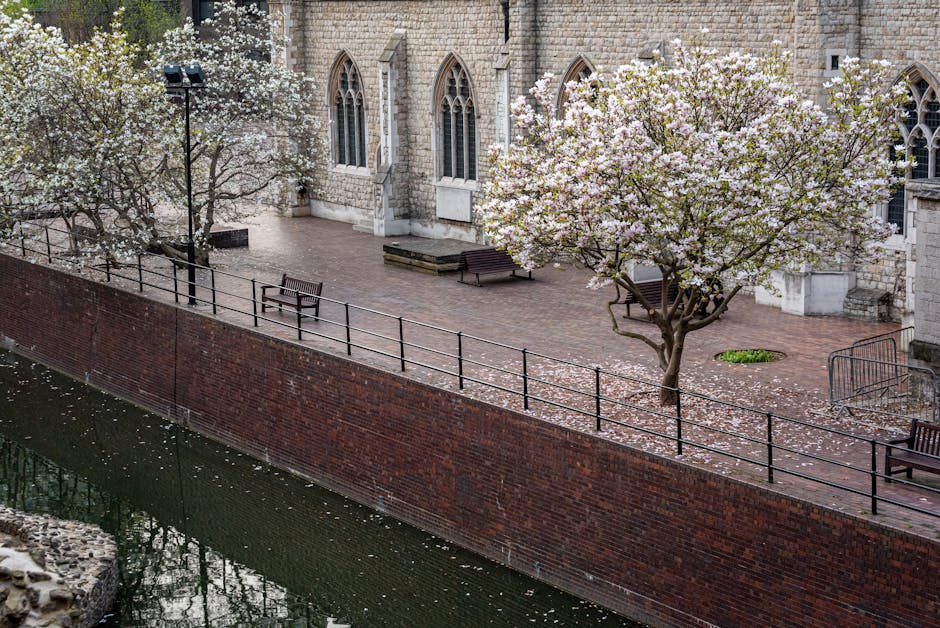
Gardeners for Bow Locks courtyards and canal yards: Practical care for compact waterside spaces
Courtyards and canal yards around Bow Locks have a very particular feel. They can be peaceful, tucked away, and full of character, but they also ask a lot from the person looking after them. Narrow access, shade, wind off the water, hard surfaces, containers that dry out too quickly, and planting beds that never seem quite large enough - it all adds up. That is exactly where Gardeners for Bow Locks courtyards and canal yards comes in.
This guide explains how to shape, plant, maintain, and protect small waterside gardens so they look good without becoming high-maintenance headaches. Whether you manage a private courtyard, a shared canal-side yard, or a tucked-away seating area that needs a steady hand, you will find sensible, real-world advice here. Nothing flashy. Just the stuff that works.
And to be fair, in a space like this, the smallest decisions matter. One wrong plant in the wrong corner can make the whole yard feel cramped. One smart change can make it feel calm, balanced, and much easier to live with.
Why Bow Locks courtyard and canal yard gardening matters
Bow Locks sits in that interesting part of London where outdoor space often has to do several jobs at once. A courtyard may need to be attractive, private, dog-friendly, weather-resistant, and easy to keep tidy. A canal yard might also need to work around damp shade, reflected light, passing foot traffic, or a shared-use layout. That is a lot for a small area, so good gardening is not just decoration here - it is problem-solving.
The first thing people notice with these spaces is how quickly they can become cluttered. Pots crowd the route. Paving edges soften with weeds. A hedge grows just a little too boldly and suddenly the yard feels tight. Then there is the water-side climate itself: breezes, cooler pockets, and sometimes that persistent dampness that makes plants sulk. A skilled gardener reads those conditions before touching a spade.
If you are planning a refresh, it can help to think of the yard as a sequence of micro-zones rather than one big garden. You may need a seating pocket, a storage run, a planting strip, and a feature corner. That is why services such as landscaping support in Bow and regular garden maintenance often matter more than one-off planting alone.
There is also the value of visual calm. A canal-side courtyard can be busy in the mind even when it is physically small. Simple structure, restrained planting, and a clean surface make the difference between a yard you avoid and one you actually use. Who wants a lovely space that you only admire from the kitchen window?
How Bow Locks courtyard and canal yard gardening works
The job usually starts with observation. Not glamorous, but essential. Before any planting or hard landscaping, a good gardener checks how sunlight moves through the day, where water collects after rain, how wind behaves between walls, and which surfaces reflect heat. On a canal yard, even a few metres can change the growing conditions noticeably.
From there, the work usually follows a practical rhythm:
- Assess the space. Measure access, check drainage, note weak spots in paving, and identify any awkward corners or dark patches.
- Define the purpose. Decide whether the space needs privacy, colour, storage, seating, wildlife interest, or low-maintenance simplicity.
- Choose a structure. This might mean planters, edging, decking, paving refresh, fencing, trellis, or climbers.
- Select plants for the site. Shade-tolerant, wind-tolerant, and container-friendly plants are often the best fit.
- Set a maintenance pattern. Watering, pruning, feeding, and surface cleaning need to be manageable, not heroic.
That last bit is where many projects succeed or wobble. A courtyard can look excellent on day one and then become annoying six weeks later if the planting is too thirsty or the layout depends on constant tidying. A good plan always asks: how will this look in November, not just June?
In some yards, structural work has to come first. If trees are overextended or crowding light, careful pruning may be needed before the rest of the design works properly. In those cases, professional tree surgery in Bow can help create the breathing room a compact garden needs.
Key benefits and practical advantages
Well-managed courtyard and canal-yard gardening brings a mix of everyday and long-term benefits. The obvious one is appearance, but honestly that is only the start. A tidy, well-planned space is easier to use, easier to clean, and far less stressful to maintain.
- More usable space. Thoughtful layout opens up narrow areas and stops the garden feeling boxed in.
- Better privacy. Hedges, climbers, and screening can shield views without making the space feel closed off.
- Improved plant survival. Matching the planting to shade, wind, and container conditions gives the garden a much better chance.
- Lower maintenance. Good design cuts down on weeds, overgrowth, and awkward corners that collect mess.
- Safer movement. Clear access paths, non-slip cleaning routines, and sensible storage reduce trip hazards.
- Better year-round appeal. Evergreen structure and layered planting keep the space from looking empty in winter.
One of the less obvious advantages is emotional. A compact yard that feels balanced can change the way you use the whole property. People sit out more. They keep things tidier. They even open the blinds more often because the view is pleasant. Small win, but a real one.
If privacy is one of the main goals, useful inspiration can come from privacy hedge ideas, while shade-heavy yards often benefit from the kinds of planting patterns discussed in evergreen climber guidance.
Who this is for and when it makes sense
This kind of gardening is not only for owners of polished show gardens. In fact, it is often most valuable where the space is awkward, shared, or used heavily. If you have a canal-yard courtyard that is half storage, half sitting area, you probably need practical garden thinking more than anything else.
It makes sense if you are:
- a homeowner who wants a neat, attractive outdoor room
- a landlord or managing agent responsible for shared access or communal courtyard planting
- a business owner with a canal-side yard that needs a tidy front of house feel
- a family wanting a safer, simpler outdoor area
- someone who is busy and needs the space to stay good-looking without constant effort
It also makes sense if you have tried DIY gardening and found that the yard behaves differently from the bigger garden you had in mind. Courtyards tend to expose weak planning fast. A plant that would thrive in open ground can struggle in a pot. A decorative scheme that looks beautiful on paper can feel cramped in reality. Truth be told, these spaces are quite unforgiving.
That is why a layered plan, not a shopping spree, usually gives the best result. Sometimes the most useful step is to strip things back, clear the edges, and rebuild with intention. Starting a garden makeover the right way matters more than choosing the prettiest plant first.
Step-by-step guidance
Here is a straightforward way to approach a Bow Locks courtyard or canal yard without making a mess of it.
1. Start with a clean, honest view of the space
Stand in the yard at different times of day. Morning light can be completely different from late afternoon light, especially near water. Note where the damp patches sit after rain, and look for corners where leaves collect or moss appears. If there is a recurring issue, that is not bad luck; it is information.
2. Decide what the yard must do
Pick the main job first. Do you want privacy, a place to sit, safer access, more greenery, or all of the above? If you try to make a small space do everything equally, it usually does none of it well.
3. Fix the hard surfaces before overplanting
Cracked paving, slippery patches, or tired decking should be sorted before the planting plan settles in. A clean base makes everything else look sharper. It also helps maintenance stay simpler. For example, a paved courtyard with regular patio cleaning in Bow will hold its shape better than one that slowly gathers algae and debris.
4. Build structure into the design
Use planters, trellis, screens, edging, or a compact seating zone to create order. Structure is not about making a garden stiff. It is about giving the eye somewhere to rest.
5. Choose plants that behave themselves
That sounds slightly blunt, but it helps. In small yards, the best plants are often the ones that tolerate containers, partial shade, and periodic pruning. Think evergreen backbone, seasonal colour, and ground cover that suppresses weeds rather than inviting them.
6. Establish a maintenance rhythm
Set a realistic routine. Watering, feeding, deadheading, sweeping, and light pruning should fit the way you actually live. A design that needs constant rescue is not a design; it is a new hobby you did not ask for.
Expert tips for better results
After a while, you start to see the same pattern in difficult courtyard gardens: the best ones are calm, simple, and built around restraint. Not plain. Just restrained. A few expert habits make a big difference.
- Use repetition. Repeating a pot shape, plant family, or paving tone makes a small space feel cohesive rather than busy.
- Prefer layered planting. Mix a low ground layer, a mid-height body, and a vertical element. It gives depth without crowding the floor.
- Choose evergreen structure first. This keeps the yard looking alive in colder months.
- Keep colour controlled. Too many bright accents in a tiny space can feel fussy. One or two strong colours are often enough.
- Work with the shade, not against it. Canal yards often have pockets of shade. Lean into that instead of fighting it.
- Think about sound. Water movement, loose gate hardware, or rattling canes can be distracting in a quiet courtyard. Small adjustments help.
If you want the space to feel more private without using bulky barriers, a mix of screening plants and disciplined trimming usually wins. A useful reference point is artistic hedge trimming techniques, especially if the boundary planting needs to look intentional rather than overgrown.
And one small thing people forget: containers need height changes as much as plant changes. If every pot is the same size and placed in a straight line, the whole yard can flatten out visually. A little variation goes a long way. Not too much. Just enough.
Common mistakes to avoid
The mistakes in courtyard and canal-yard gardening are usually not dramatic. They are more like tiny oversights that stack up. You may not notice them on day one. By month three, they are hard to ignore.
- Overcrowding the space. Too many pots, ornaments, and features make a small yard feel tighter than it is.
- Choosing plants for a catalogue photo. What looks lush in a border may struggle in a windy, shaded, or container-only setting.
- Ignoring drainage. Waterlogging in a yard near canals or shaded walls is a common issue.
- Forgetting access routes. A beautiful planter is a nuisance if it blocks cleaning, bin movement, or daily use.
- Using high-maintenance materials. Glossy surfaces, awkward gravel, or overly delicate finishes can create endless upkeep.
- Leaving pruning too late. A little regular trimming is far easier than a once-a-year rescue mission.
There is also a funny one, if not especially funny at the time: people buy one beautiful thing, then another, then another, and suddenly the yard looks like a garden centre trolley exploded. Happens more often than you would think.
Another issue is ignoring the seasonal view. A yard that looks great in July but bare and messy in February has not really been designed for London life. Winter matters. Wind matters. Slush, leaf fall, and short days matter too.
Tools, resources and recommendations
You do not need a van full of equipment to keep a Bow Locks courtyard in shape, but the right tools make the work cleaner and less frustrating. The basics are usually enough.
- sharp secateurs for light pruning and deadheading
- a sturdy hand trowel for container planting
- a small rake or stiff brush for debris on paving
- a watering can or hose setup that suits narrow access
- gloves that actually fit, because sore hands slow everything down
- quality compost and mulch for pots and borders
- simple plant supports for climbers and top-heavy perennials
For people who prefer lower-effort gardening, container-led design is often the most practical route. If that sounds like you, the ideas in container gardening are worth taking seriously. They suit awkward access, rented spaces, and courtyards where root control matters.
For a more sustainable approach, it also helps to recycle kitchen scraps into compost where appropriate. A yard near Bow Locks does not need to be highly engineered to be healthy. Often it just needs consistent feeding, careful watering, and less waste. Turning kitchen scraps into garden gold is a small habit that can quietly improve soil condition over time.
If you are not sure whether to do a tidy-up, a partial redesign, or a full refresh, start with what annoys you most. Usually that is the right clue. The thing you notice every day is the thing that deserves attention first.
Law, compliance, standards and best practice
For courtyard and canal-yard work, compliance is usually less about dramatic legal complexity and more about doing things properly and safely. That means keeping pathways usable, not creating hazards, and respecting neighbouring properties and shared access.
In practical terms, best practice in London outdoor work often means:
- keeping access routes clear during work
- managing waste responsibly and leaving the site tidy
- using tools and equipment safely
- checking for trip hazards, especially around paving and edging
- avoiding damage to shared walls, fences, or drainage points
- being careful with tree and hedge work where light, privacy, or boundaries are involved
If a project involves height, larger branches, unstable trees, or close work near structures, that is a strong sign to bring in specialist help rather than improvising. The same applies when a courtyard has shared responsibility or management agreements. It is much easier to do it right from the start than to explain an avoidable problem afterwards.
For contractors and property managers, it is also sensible to choose teams that can explain their safety approach clearly. Pages such as insurance and safety, health and safety policy, and terms and conditions are useful touchpoints when you want to understand working standards before any job begins.
Let's face it, a small yard gives you nowhere to hide errors. Safety, access, and finish quality all show up quickly.
Options, methods and comparison table
There are several ways to improve a Bow Locks courtyard or canal yard. The right choice depends on budget, usage, and how much maintenance you want to handle yourself. Here is a simple comparison to help.
| Method | Best for | Strengths | Watch-outs |
|---|---|---|---|
| Container planting | Small spaces, rented properties, flexible layouts | Easy to change, good for limited soil, neat structure | Needs regular watering and feeding |
| Ground-level planting | Courtyards with usable beds or edging | Can feel more natural and settled | Drainage and weed control must be managed well |
| Vertical planting | Very tight yards and blank walls | Adds greenery without taking floor space | Can become high-maintenance if overdone |
| Hard landscaping refresh | Worn patios, awkward access, tired layouts | Improves usability and makes cleaning easier | Usually needs a bigger upfront investment |
| Privacy screening | Overlooked courtyards and canal-edge yards | Creates comfort and a stronger sense of retreat | Needs the right balance so the space does not feel boxed in |
In many cases, the best answer is a mix. A bit of structure, a few containers, some subtle screening, and a clean maintenance schedule. Simple, but not simplistic.
Case study or real-world example
Picture a narrow canal-side courtyard with pale paving, a couple of tired pots, and a wall that gets afternoon shade. The owner wants privacy from nearby walkers, a place to sit with a coffee, and a garden that does not fall apart after one windy weekend.
The first move is to clear the clutter and clean the patio so the layout can actually be read. Then the gardener removes one overlarge planter, creates a clearer walking line, and adds two larger matching containers instead of five random ones. A slim screen is placed where the view in is strongest, and climbing planting is introduced on a support so the vertical space finally earns its keep.
Next comes the planting. Shade-tolerant evergreens provide the base, then a few seasonal plants add movement without requiring too much fuss. The final piece is maintenance: light pruning, brushing debris, and a watering routine that makes sense for containers near water and shade. Nothing dramatic. But the change is obvious.
By late summer, the yard feels calmer, less exposed, and easier to use. The best part is that it does not depend on perfect weather or constant attention. That is the real test, isn't it?
For yards with seating built in, it can also help to think carefully about how people actually move and rest in the space. If that is relevant, garden seating layout ideas can be surprisingly useful when planning a compact waterside retreat.
Practical checklist
Use this as a quick sense-check before or after any garden work in a Bow Locks courtyard or canal yard.
- Have I identified the main purpose of the space?
- Do the surfaces drain well and stay safe after rain?
- Is there enough room to move, clean, and maintain the yard?
- Are the plants suited to shade, wind, and container conditions?
- Does the planting include evergreen structure for winter interest?
- Have I used repetition to keep the layout calm and coherent?
- Is privacy balanced with openness, rather than overdone?
- Can the garden be maintained without constant rescue work?
- Are edges, steps, and access points clear and easy to use?
- Have I planned seasonal tidy-ups, pruning, and surface cleaning?
If you can tick most of those off, you are already ahead of many small-space gardens. And if not, no panic. A good courtyard can be improved in stages.
Get a free quote today and see how much you can save.
Conclusion
Gardeners for Bow Locks courtyards and canal yards are really about making compact waterside spaces work hard without looking overworked. That means better structure, better planting choices, sensible maintenance, and a layout that fits the way people actually live. A courtyard does not need to be large to feel generous. It just needs to be thought through.
If you take one idea from this guide, let it be this: small spaces reward clarity. Clean lines, restrained planting, and practical upkeep will outperform a crowded, overcomplicated design almost every time. From there, you can add personality, softness, and seasonal colour in a way that feels natural rather than forced.
And when it is done well, a canal-side yard has a lovely kind of quiet to it. Not silent, exactly. Just settled. The sort of place where you notice the light on the paving, or the sound of leaves moving in the breeze, and think, yes, this works.

Recognized as a gardening expert, Peter possesses the skill to generate informative articles on landscaping, lawn care, and garden maintenance, benefiting hundreds in realizing their ideal garden spaces.